Sailing Home

Author’s Note: A small boy is fishing with his grandfather; as they talk about life, thoughts and feelings emerge that make a lasting impact on the both. The story is told from the point of view of the young boy’s memory now as a grown man.

I was sitting with Grandpa as he cleaned his catch with a knife that he always had, seemingly forever.

The skritch it made against the scales as he worked it with expert hands was like the rhythmic slap of waves on the shore.

His deft fingers never seemed to get caught on the hooks, though he showed me where they had, when he was first learning. Callouses covered the tender skin there, but never covered over the lessons.

I watched the shallow water eddy about my ankles as I sat on the boat’s edge, watching the wheeling gulls hoping to steal a fish or two, though grandpa always left them something.

“Hey Grandpa?”

“What is it, sailor?”

“Why do you always feed the gulls?”

“Folks call ’em the rats of the sea. I call ’em good luck.”

“Why? The fish swim away when they see them.”

“Yep. Right onto my hook.”  He leaned over to catch my eye and said with a wink, “Fish ain’t too bright.”
Then he’d laugh his gentle laugh, and give me a fish head to examine. Somehow, they always looked surprised to be dead.

A gull wheeled in close, and I threw the head into the water to watch them dive and scramble and chase, until finally a victor flew away, three others in pursuit, but there were always others, and they flew in close and bold, curious to see if I held any more treats, but I splashed at them, and they wheeled off, calling me names in their language.

I ran my fingers over the scales of one that was close to me, but didn’t pick it up. The gulls were big, and I was small. I wasn’t afraid, but I didn’t want to test how far they’d go.

“I wonder what they think about when you pull them up…” I said.

“Don’t guess they think much at all.”

“Why?”

He’d finished cleaning the fish, and walked slowly over, and carefully sat next to me, and dipped his ankles in the water next to mine, and the water sloshed in harmony around all the ankles now, and gently swayed the boat beneath our weight.

“I guess they’re in a lot of pain, and just want it to end…” his eyes got far away when he said that, and I knew who he was thinking about.

“Like Grandma?”

He nodded, and took off his glasses, cleaned them with his shirt tail, and dabbed at his eyes with his sleeve.

“Yeah, like Grandma.”

He looked at me then, and put his arm around my shoulder, and we watched the gulls for a while.

“And like me.” he said.

“What hurts?”

“Nothing in particular, and everything in general,” he chuckled.

I smiled, not fully understanding, but he knew that.

He cleared his throat:

“Life’s a lot like a boat,” he said. “You start out in a small craft, and as you travel further out, you take on more, and the craft’s got to get bigger, has to be able to hold all you get. But if you get too much, it slows you down and the journey takes longer. You make more mistakes because you’re always making adjustments for the things you have. You with me…?

“Yes, sir,”  I said, proud of myself that I actually sort of got it.

“And then the storms come, and the stuff you have can help weigh you down, and keep you steady, or it can shift and help the waves flip your boat. If it does that, which is most of the time, you not only lose the things, you lose the people too, the people who’ve helped you to become a good sailor. Still there?”

I nodded, swinging my feet in the surging surf, making foam, dangling a piece of seaweed from my toes.

“And then, eventually, you have to get where you have to be. You have to take the boat home, and get rid of the stuff, because it’s just too much. Some of it you drop off along the way, and some of it you unload when you’re back. The journey’s over, and your stuff’s gone, and you’re just glad to be home, in the quiet. You like that?”

“Sometimes,” I said. “When I’m reading, or thinking about stuff.”

“You thinking about this?”

I looked up at him, because his voice had changed. “Yes, Grandpa, I am.”

He tousled my hair, and laughed his gentle laugh again. “Good man.”

“Grandpa?”

“Hmmm?”

“Are you sailing home, now?”

“I am, son.”

“To Grandma?”

He sighed, and looked out at the setting sun.

“To her, and a whole bunch of other folk you don’t know,” and his sleeve moved again, but I couldn’t see if he was crying.

“You getting rid of stuff?”

He chuckled at that, and again, I smiled with him, unsure.

“Most of it’s gone now, but there’s a little more to go.”

“Oh. Wellll, could you tell her I said hello?” As I spoke I tried to write the word “Grandma” in the mud with my big toe, but the waves kept pushing new mud over it. I wrote it anyway, knowing I’d finished it, that it was still under there somewhere, and it would last for all time.

He smiled, a bit sad, “Ok, sailor. I’ll do that.”

We gathered up our catch.

As we walked home, me with my small sack, him with the bigger one and the fishing rods, I turned to look back at the empty boat, sitting empty on the stilling water, in the fading light, and thought about the time he wouldn’t be there with me.

I stopped, and gestured for him to bend.

He did, and I kissed his cheek.

He straightened, a bit puzzled.

“What’s that for?”

“In case you sail for home before I say good-bye.”

**************************************

I was cleaning my catch, and he sat on the edge of the boat with his ankles in the water.

I threw him a fish head, and he caught it, turning it around to look at it as the gulls grew bolder.

Satisfied he found what he was looking for, he kicked his feet, making foam, and hummed a tune, looking at the sea birds.

He watched them for a time, turning the fish head like an hourglass, but he didn’t throw it.

The blue of the sky deepened as the sun dipped toward the horizon.

“Hey Grandpa?”

“What is it, sailor….?”


Tilting at the Windmills of My Mind

Clusters of Butterflies

Torrents of Bats

Clear Pretty Blue Skies

Swarming of Gnats

Murdering Dogs

Laugh-n-Play Kids

Wallowing Hogs

Warm Coffee Lids

Friends who’ve forgiven me

Friends who’ve betrayed

Friends who’ve abandoned me

Friends who have stayed

Women who swing their hips

Women who don’t

Women who’ll lay with me

Women who won’t

Enemies  Frenemies

Besties and spouses

Living in tenements

Dreaming of houses

The Creak of  Old Windmills

The Flower that Wilts

The Strength of my Youth fades

The Jousting Lance Tilts

The Windmills keep turning

I don’t quite know how

I fought them all Bravely

But I’m

Leaving

Now.

© Alfred W. Smith Jr.

December 29th, 2014

Tilting at the Windmills of My Mind

All rights reserved

War Cries (first draft).

Hey readers! Just trying this out. Let me know your thoughts…

1:

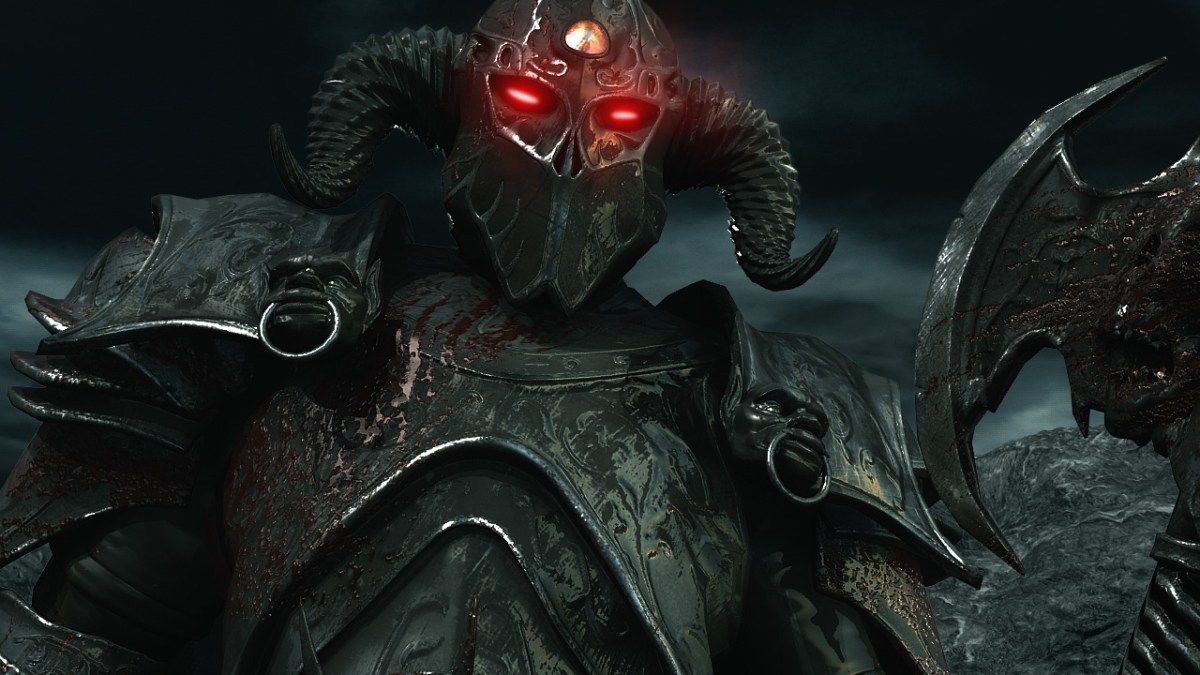
A single torch lit the entrance to the private chamber, and as the widows approached, the light revealed their many hues of skin and dress, their jewels sparkled like crystal, rippled like dark red wine, shimmered with the green of a tranquil ocean.

Their collective expressions were somber, sad.

He would be leaving them once again; they never knew for how long, only that they must wake him to go. In their hearts, they grieved, for he would add to their number when he returned.

One of the widows stepped forward, her lithe form whispering against the fabric of her gown; she took the torch in a slender hand, and went into the chamber.

The light almost made it to the high ceiling, and fought bravely against the shadows, but was really little match for the formidable darkness.

“Duilius?” her dulcet voice called, a slight echo bouncing back to her ears.

She waited, knowing he’d heard; as she did, she looked about at the armory surrounding her, weapons he’d inspired in the minds of men. When the carnage was over, he brought them home to show, then to cast aside, as he had all of them, the widows of men.

She smiled at the thought: We, too, are now unused weapons.

She listened as the armored steps reverberated, a measured tread, slow, steady, and ominous. The sound of metal on metal rang out into the chamber, and he emerged from the semi-darkness into the semi-light, his visage scarred and terrible.

The scents of blood and smoke, waste and corrupted death surrounded him in a nimbus of pungent, horrific odors. It took everything for her not to retch.

Rounding the corner, he looked at her. His red eyes, flaring in the torch light, held her in a freezing grip of fear. He gazed at her a time, lust in his eyes; she saw him wrestling with his desire, and prayed that he would not take her.

Turning aside, he came to himself, and she breathed a sigh of relief.

“Vinya,” he greeted her, the rumble of his voice felt in the tips of her toes. “Where are the others?”

“Outside the chamber.” She managed to keep her voice steady.

“And why are you here?”

“Why do we ever come here, lord?”

He moved closer to her, and she stepped back, but held his gaze, moved the torch a little closer to his face.

His red eyes smoldered like embers, and he smiled; it was lascivious and cruel, mirthless and merciless, but she lifted her chin in defiance.

He reached out to take it between his fingers, his touch burning her cheeks like a high summer sun.

Her lips pulled back in a silent snarl, and her own eyes flared with their own heat.

“Ah, Vinya. You are fiery still. I thought once to break it out of you. I don’t know that I want to, but you should know that I can.”

Against the pressure of his fingers, she formed her words carefully, her hatred for him a rising tide that would one day sweep him away without a single regret.

“I am aware of your powers, Duilius. They frightened me once. Your devil eyes frighten me still, but you’ve done your worst, and yet I’m here. You should know, we are not done, not by any stretch of the imagination.”

He released her face, and she wiped away the crimson ashes his touch always left behind with the back of her free hand. He was blood and fire, indeed, but so was she, in her own way.

He nodded once in acquiescence to her standing up to him, but his patience was thinning; she would persist in her insolence, and he would ruin her beauty for it.

With a pompous air, he seated himself on a stout, high-backed chair, his attention no longer directly on her as a servant scurried to prostrate himself, and Duilius put his feet on a human ottoman, the full weight of his boot heels resting on the servant’s spine.

“Tell me, then. Where am I needed?”

She told him.

The torch sizzled and spit in the ensuing silence.

“Shall I help you prepare?” Vinya asked.

He looked up again, as if she’d just arrived and found him already seated.

There was something on his mind when he was hesitant, but she held her peace.

With a wave of his hand, he dismissed her.

“No. I will leave on the morrow.”

He rose, spared her yet another glance, and she hurled him another haughty look, and turned her back on him, leaving him alone in the darkness, with only his terrible eyes to light his way.

She felt those eyes as if they were hands.The heat from the torch was not enough to keep her from shivering under the weight of his stare between her shoulders, sliding down to her backside.

2:

 Back in his own tower, he took off the armor he’d made and tested in the underworld.

It bore the brunt of bites and claws well enough, and his newly sharpened blades had proven true, but he was running out of test subjects.

His dungeons were almost empty; he would need to remedy that soon.

The silent servants drew his bath, left his supplies and food, and lots of plum wine, and he was soon done with all of it, his eyes heavy, despite his desire not to sleep. It was happening more and more lately, as he got called more infrequently; peace was never kind to a soldier, whom having violently established it, now had to live in it with no further thought to what he’d done.

The thoughts of those men who killed flitted through his mind, as did the thoughts of those killed. The voices never stopped, and they weren’t always men. The higher voices of women and children carried over the lower frequencies of men, their screams of rage, their shocked questions of why, their desperate appeals for mercy, and then their snapping bones, their final moments before the arrows, the swords, the knives, the bolos, the spears, the stones, the molten metal…

He pushed it all back, and lay down, letting the candles gutter.

His sleep, though sound, was never silent, never fully dark. The deepness of it waxed and waned on the grand scales of wheeling stars, changing seasons, shifting tides, the tilt of planetary axis, and on the minutiae of an impulse of animal rage, the calculated, surreptitious slithering of snakes, the vicious, irreversible clamp of creatures with large fangs and evil intentions, the small dramas of life and death between predator and prey always played out before him.

Before he slipped into whatever level of unconsciousness he’d be able to achieve before his journey, the most unlikely thought flashed through his mind:

I no longer wish to be the god of war.


(To be continued)


© Alfred W. Smith Jr.

December 16th, 2014

War Cries

All rights reserved

Sleep, children. ( dedicated to the innocent victims of madmen)

Sleep, children.
The cowards who’ve stolen your childhood will pay.

Sleep, children.
For now with your friends you will no longer play.

Sleep, children.
Your parents must carry your bodies away.

Sleep, children.
Tomorrow for you will not be a new day.

Sleep, children.
And know that you will always

be loved.

© Alfred W. Smith Jr.
December 17th, 2014
Sleep, children.
All rights reserved

Slaying Songs: A Reaver’s Hymn

Slaying Songs: A Reaver’s Hymn.

Slaying Songs: A Reaver’s Hymn

In the winter cold I rise

Look the killer in the eyes

Spilling blood I claim my prize

Singing slaying songs.

In the woodlands dark and sere

Where the creatures creep in fear

I will light a fire here

Singing slaying songs.

In an empty castle’s shell

Haunted by the fiends of hell

Axes toll a killing knell

Singing slaying songs

On the ocean’s tide they come

Chests of gold and casks of rum

Think I’ll go and get me some

Singing slaying songs.

Through the city streets I walk

See the demon-shadow stalk

Now his outline’s drawn in chalk

Singing slaying songs

On the land or on the sea

Doesn’t matter much to me

Last thing that you  hear will be

My savage slaying song.

© Alfred W. Smith Jr.
2014
Slaying Songs: A Reaver’s Hymn
All rights reserved

Halloween Huntress: Chapters 5 and 6: Sometimes you just need help

Chapter 5:

“We’ve got t’leave,” said Orliss.

He spent the rest of the day packing what he needed for the road. Being a hermit, of sorts, there was always a travel bag at the ready.

He opened Meralys’ closet to Jaika; nothing was an exact fit, so she took what felt snug, and left the rest. There were also riding clothes, an unexpected and welcome bonus, so she took those as well.

“We was farmers once, and Meralys loved ‘er horses,” Orliss explained.

“You must tell me more of your life once we’re on the road.”

“I daresay we’ll not have th’ time, missy.”

He still called her ‘missy.’ She’d given up trying to change it. Besides, it could also be her name; no one need know her real name here. As of now, only two men who’d she’d had no intention of meeting, and had stumbled into quite by accident, knew it.

And then she received another startling revelation, from none other than Orliss himself.

“But you must tell me how it came to be that a young woman came to be traveling alone.”

She looked up, surprised, a smile of shocked amusement on her face.

“Your accent’s a ruse,” she said.

He smiled, “You’re quick. A good one, isn’t it?”

“Very much so, but why?”

“Helps me fit in, gain information. When I’m drunk though, it doesn’t seem to be a character. But it was ever my intention to fight back. With you here, that will make it easier.”

“He said we were to be wed. He knew my name, and when he left…I felt…”

“We’ll have to look into all that. Now’s not the time. We need to be gone by nightfall. I’ve a feeling he’ll be back, and he won’t be alone, and he won’t have those dogs.”

She nodded, and couldn’t repress a shudder, which he saw.

“Jaika.”

She sighed, and composed herself.

He placed a meaty hand on her shoulder. “I know. You’ve been swept up in a series of events that make absolutely no sense to you. I can’t explain how they do. I don’t know why you’re here, or why Dominick is after you, or me, for that matter. He won the war when he killed Meralys, and I was too devastated for thoughts of revenge.

“But I let him take the woman I love from me, and did nothing about it.

“I can’t allow that to happen again, but I can’t promise you it won’t.

“The truth is, the years of dissipation were real, and have taken their toll, but now there’s what’s left, and I have to use it to rid the world of him, and not just for you.

I don’t know the part you play; I’ve read no great books, and there’s no ancient prophecy.

“In fact, we had a somewhat shaky beginning.”

“Yes,” she reddened at the memory. “We did.”

“This is a strange and dark place; you’ve doubtless felt its power. That’s where I’ll need your wood lore; you’re under no obligation to stay, and I can see you to a ship this very afternoon that will give you safe passage, but I’m asking: will you help me?”

“I will help you, Orliss. If it wasn’t for you, I likely would not have survived. He’s attacked me twice, and there’s no denying there’s a bond. I felt it. I have to break it, but I don’t know how, and that’s where I’ll need you.

“So, partners then?”

His hand was still resting on her shoulder, and she put her own hand over it.

“Partners.”

******************

They left the cottage empty and set out for the town to buy horses.

Jaika had to admit that in her travels, she’d never met anyone like Orliss. There was more to him than met the eye. He’d been stinking and drunk, and she’d been violent and desperate and frightened out of her wits, and in a few days, they’d become totally different people, though she was still frightened out of her wits.

Her travels up until now had been solitary; she slept when she needed to, ate when she was hungry, and traveled often to the point of exhaustion, wandering, seemingly aimless, but now knowing it wasn’t.

None of what happened to her now seemed coincidental, but she hoped she wasn’t some sort of celestial pawn, even though the darkly divine nature of her encounter was already a factor.

Gods of the forest, is that why you removed your protection? If so, you’ll not find me a willing puppet to your unknown plans.

Chapter 6:


   The bargain for horses struck, they rode back on the dirt trail that led to the temple.

“I’ve not seen it in many years. I went as far as the tavern, and it seems the devils were content to leave me be, after they destroyed me.

“Now, that’s not the case.”

They arrived on the temple grounds. It sat in the middle, a circle of smooth walls like an aged, empty turtle shell.

The ivy leaves were beginning to turn with the season, as were the trees, edged with the slightest of red and orange and gold.

We must kill him before winter.

   She stayed at the top of the trail, holding the reins of their horses as they grazed, and Orliss investigated.

There was no way she could bear to go near it right now; it was enough she might have to later.

He peered through the cracks, same as she did, but he didn’t stay long to observe anything, or so Jaika thought, as he walked around it rather quickly for his size.

She wanted to call out, to ask him if he saw anything, but the demon priest might not necessarily be nocturnal.

Orliss stopped, seemed to be thinking of something, then walked toward the back of the temple, but instead of going around again, he walked through the high wild grass.

Jaika only saw trees and weeds. It seemed to her there was nothing to mark it as a path.

Curious, she dismounted, tied off the horses, and went to follow him.

**********************

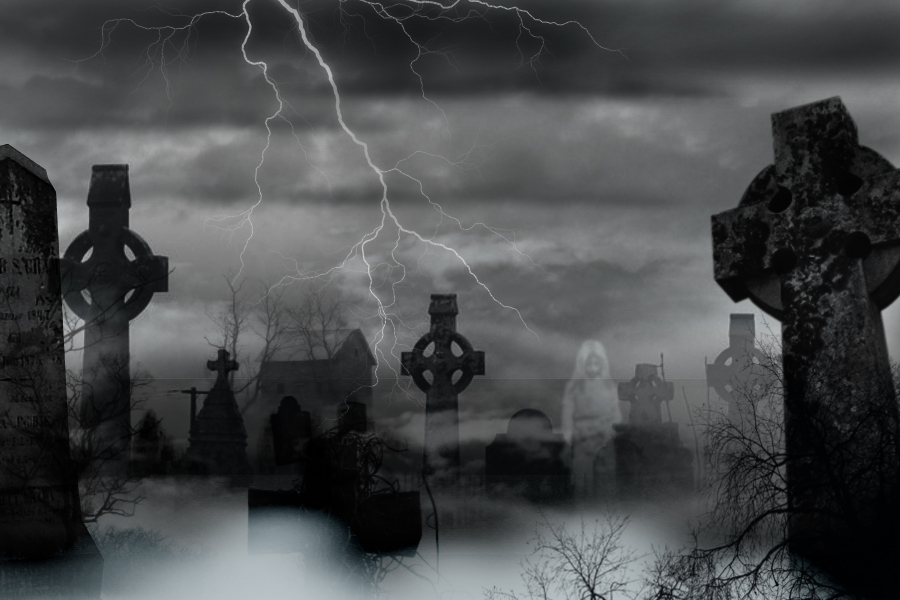
He was standing at the edge of a cemetery, the stones faded, fallen, and the gates broken. There was a low-lying fog covering the grassy ground, burning off slowly in the mid-morning sun.

She came and stood next to him.

“Who’s here?”

“Most of the people I’ve known.”

“Meralys?”

“No.”

She pressed no further, and let him have his moment, and started to walk back toward the horses.

“Don’t go, Jaika.”

She’d learned that when he called her name, things were different, so she stayed, standing beside him, scanning the mossy, discolored markers.

After a moment, she said “We should be going, Orliss.”

He sighed, and nodded. “There’s just one more thing left to do. Something I should have done years ago.”

“What’s that?”

“We’re going to burn the temple down.”

“Orliss, it’s stone, and there’s nothing in it. You’re not thinking clearly.”

“Oh, stone burns, Jaika. There’re different kinds of fire.”

“You’re talking in riddles.”

“I’m going to bind the spirits in this place.”

She went quiet at that, put some stray strands of hair behind her ear, losing the set of her shoulders, sighing.

“Is this something I should be a part of?”

He turned to face her. His eyes held a tenderness, but also a glimmer of fire.

“You already are.”

“But you’ve burned your books.”

“I’ve help.”

Jaika didn’t want to know, so she asked no more questions.

*********************

He sat on the stained marble bench, and closed his eyes.

Jaika took the quiet time to look around.

The gravestones, faded with age and stained with elements, listed precariously in their slots, all but toppled, the names and dates long obliterated.

The high grass extended all across the plot land, and the mausoleum sat squat and dark, a diseased mushroom full of decay and vermin, a black blot on the green field.

She shuddered. There was something tainted and palpable in the air, like demon breath.

Orliss, some memory tapped, began to chant in a soft voice that pushed against the silence, chipping away at it.

Jaika didn’t know if he was praying, or casting a spell, but either way it looked like he would be a while. She went to check on the horses, and stayed with them to reassure them that their riders were still close by.

She ate a small snack while she waited.

The fog had burned off, and the mild warmth and clear skies of the early afternoon belied the peril they faced, and as the morning lazed into the afternoon, Jaika saw spread through the fading mist where Orliss sat.

The nervous horses whickered and stamped, and Jaika moved out of the range of their hooves. Fighting panic, her hand trembling, she drew her short sword, and went to investigate.

Orliss was where she’d left him, but what was in the light got her attention.

There were people, hundreds, of all ages, standing by their markers, but something about them was very strange.

Jaika realized that their features were just the veneer over their bones, and the wounds and diseases that ravaged them were visible: there were murder victims , their ghastly wounds almost translucent in the afternoon sun.

And of those who were mutilated: she could see their severed limbs flickering where they’d been hacked, the bloody stumps of meat and gore still dripping spectral blood.

Those who’d died of diseases, in childbirth, in accidents, all bore the marks of their passing, she saw the skeletons just underneath the veneer of flesh. The people were buried dressed in their finest formal wear, which was now little more than scraps, hanging like dead creepers from their limbs.

Sunken eyes, missing teeth, swollen tongues, open sores, torn female clothing, bruised faces, tilted heads with rope burns on their necks, and heads of glorious female hair ridden with lice, and small children with smiling mouths full of worms and centipedes pushed back against Orliss’ magic with a palpable malevolence.

He might have been marble himself, though his whiskers flew about him like a halo of tumbleweed, and sweat stains ruined his clean clothes.

Vermin began to appear and tentatively sniff at him, and began to snap at his flesh.

They went right through Jaika, as if she wasn’t there at all.

He flinched, and winced, and gasped, but picked right back up and didn’t stop chanting until, finally, he did.  As he stood, he brushed the vermin from his body with a fell sweep of his arm, and  Jaika gasped as they vanished. It had all been illusion to get him to stop.

A spirit-man came forward, his transparent flesh desiccated, and pointing what was left of his finger at Orliss, he spoke telepathically.

Jaika heard his voice in her head; it sounded like wet, shifting gravel, grating and unpleasant. She bore it for Orliss’ sake.

You should be here among us, priest.

“I know, and I’m sorry, but I’m not.”

We could make it so you are.

   “Or you could tell me where Thonian ran off to fight.”

You name him! Oh, your boldness

  “I’ve no time to sit here preening with you; do you know where he is, or don’t you?”

If we did, we would not tell you, for your magic is weak, and cannot compel us. But it is as you say: we know not where he has gone.

    Why do you disturb us, Orliss?  A woman’s voice was speaking now, as she made her own way to face him. Have any of among us haunted you?

  “No.”

Then why do you seek us?

   “This is my friend Jaika.” He extended his arm in her direction, and their broken eyes followed it to land on her. Jaika tried not to tremble.

” Thonian has marked her for his bride. I cannot allow it, and in the process of stopping him I might…I might be able to…free your souls.

The outburst was immediate, with some opting to pass through him and kill him, and still others to finish hearing what he had to say.

The latter won.

This is a bold claim, from a man whose magic has passed into legend.

“And yet I say it.”

Making no promises!

“But telling the TRUTH! DAMN your obstinate, bitter, foolish minds!”

Along with our souls, you mean? The woman spoke to them both, not unkindly.

Orliss seemed to deflate. “I meant…will you help me find him?”

The staring seemed an eternity.

A breeze stirred, and Jaika gagged on the stench from the risen dead, and held her breath; if either of them said anything now, they would lose their cause.

The two spirits that spoke to Orliss conferred, then walked among the others.

The early afternoon went into the late afternoon by the time the two of them returned.

Yes, Orliss. For the sake of our souls, we’ll be glad to help, but if you fall into the river of doubt, the stream of surrender, your souls are forfeit to us.

   Are we agreed?

   Orliss looked at Jaika, and after considering, she gave him a nod.

“We are,” Orliss said.

Then we take our leave, until tonight.

They slipped back into the ground in clusters, angry at their awakening, but excited to be involved in what could be the ancient land’s new beginning.

© Alfred W. Smith, Jr.

2014

All rights reserved.

Halloween Huntress: Silver remains the color of betrayal

Chapter 2:

Jaika’s forest training took hold; she stood still, and let the silence grow for a bit, showing them she meant no harm.
“I didn’t intend to disturb you. I was looking for shelter from the rain.”
The man laid the knife on the altar, took a black linen cloth, and daubed the blood away from his chin in a rather elegant motion given the context.
His silver eyes, scorching in their intensity, never left her, as he set the cloth aside.
“Well, you’ve found it.”
Two men moved to block the aisle.
If they closed behind her, she was dead.
She slashed at the closest one, the blade cutting his hand in half, his scream joining the surprised shouts of the others, and as the second man lunged, his right hand landed on her shoulder, his fingers snatching at the vest, but as she passed him she spun, and his hand slipped off.
Pulled off balance, he stumbled into the aisle where the thrown dagger slipped under his raised arm and pierced his chest from the side, and he dropped like a stone.
The demon cleric roared at her to stop.
Caught off guard by Jaika’s swift escape, there was a delayed reaction, and as others rushed forward to chase her, she shoved the front door open, pushing down the panic…
And was out in the downpour, in the gathering dusk.
She kept running, partly to get away from the temple, partly to keep her thoughts from spinning out of control.
Thoroughly soaked, shaking from the adrenaline and fright, out of breath, she began to slow down.
She looked back, but the only signs of disturbance were her own; no one, nothing, pursued her.
The rain began to ease as she continued walking, putting as much distance between her and the temple as she could before she needed to sleep. Somehow she managed to keep focused on walking, on trying to find a place to sleep. If she gave in to the other now, the fear would paralyze her, though she doubted she’d ever forget the heaviness of those silver eyes burning into her soul.
I wonder if I’ll even sleep tonight.
Traveling on fading reserves, she needed a shelter that was dry so she could make a fire, but she’d have to forego hunting. She decided to look for a cave, and made for the low lying hills.

************************
The problem with caves was that other things lived in them; she’d have to make her peace with what was there, or kill it. She was fine with either; killing it would solve her hunting problem, and she’d cook it over her fire.
Stopping to fill her water skin from a small stream, she arrived at the hills just as the clouds were blowing away, and the gibbous moon was rising. Her clothes were still damp, and she was shivering.
A wavering light was coming toward her, and she tensed, having no real fight left, but not willing to die.
It was a man carrying a torch.
Concealing herself as best she could, she listened; he was by himself, and he was singing something incomprehensible. From the sound of it she surmised he was drunk.
The torchlight lit up the wet trail a little distance in front of him, and he was weaving.
Stepping out from behind her cover, Jaika’s knife was at his throat, and in an instant she regretted it; he reeked of vomit and cheap beer and bad perfume.
She managed to hold her gorge, however, and kept her voice low.
“Keep walking. I’m in need of food and shelter, and you’re going to provide it, or die.”
He stopped, burped, and chuckled, his soured breath a cloud of foulness in her nostrils.
“Whazzat cha say, girlie? Y’wanna bed down with ol’ Orliss?”
She pressed the knife harder, and he stiffened, rising up on his toes.
“Eh, now.”
“I said nothing of the kind, and I don’t think you’re as drunk as you’re pretending.”
He swallowed, feeling the chill of the blade in a cool thin line at his throat.
“I’ve pretended t’ be a lot o’ things, missy. Drunk ain’t one of ‘em. If it’s food n’shelter y’need, I’ll provide such without all the threat o’ red violence, if y’please.”
His voice was strained, but audible, and reluctantly, Jaika lowered the knife, and gratefully stepped out of the circumference of his stink.

********************
The threat of red violence, however, sobered Orliss up a bit, and as they walked the road, he gave Jaika the torch in case he stumbled and lost it in the wet grass. He’d taken it from the tavern, and had no way to relight it if it went out.
Jaika realized she must’ve been closer to a town than she thought, if he’d found a tavern. She’d ask him about that later.
On the way, he told Jaika he was a hermit, and lived alone in an old ramshackle cottage that belonged to a hedge witch, now deceased, courtesy of some farmers that had lost some livestock to wolves, which they said worked for her, and they took care of the wolves too, lest she come back through one of them.
He found all that out by way of the tavern where he drank, and had no idea if it was true, since he’d found the cottage empty when he arrived.
“So, is abandoned property normal around here?” Jaika asked.
“Whaddya mean, missy?”
She told him of the abandoned temple, and her adventure there.
His eyes widened, and he sobered up even more when she was finished.
“Yer lucky y’got out o’ there, missy.”
“If they’d managed to block me in, I’m not sure I would have.”
“Aye, good judgment there. Here we are, just up this path.”
She followed him off the main trail to a gravelly path that led to a small cottage in a small clearing.
It looked comfortable enough.
Jaika found herself beginning to relax.

****************
There was a large fireplace, and he built a fire from wood he had stocked in a neat pile just outside. He lit it expertly, in spite of his bleary demeanor, and heat filled the place and beat back the chill of the night.
And Orliss, it turned out, was a wonderful caretaker.
He provided her a voluminous robe (for he was a voluminous man), and she had to double tighten the belt, and she laid her clothes out flat before the hearth to dry.
“You can hang ‘em after the place heats up, missy. I’ve a rope for that. Sorry to peek at your smallclothes,” he shrugged. “There’s a creek you can wash ‘em at in the mornin’.” They both turned red at the mention of it, and said nothing further.
His cat, it turned out, had a litter of days-old kittens, which he let Jaika tend to as he left her to get himself clean.
When she’d finished with the kittens, he’d returned from his bath and gave her a half loaf of toasted bread and a small wheel of yellow cheese, and made a pot of honeysuckle and ginger tea, sweetened with wild honey and a dash of dandelion brandy.
“Bless you, Orliss.” Jaika cupped the steaming mug in her hands, and inhaled the wonderful aroma, erasing the earlier smells of the evening. “I’m sorry I threatened to kill you.”
Orliss chuckled dryly.
“Happens more often n’ you know, missy.”
“What do you know about the temple?”
He looked at her a moment, and she stopped chewing the big piece of bread she’d just bitten off, her cheeks puffed out like a chipmunk’s.
“What?” she mumbled around the mouthful.
It was a funny sight, and Orliss wanted to laugh, but the seriousness of what she just asked outweighed the merriment.
“Are y’ sure y’ want to know?”
She downed the bread with a couple of swallows of tea.
“They were going to kill me, Orliss, so yes, I very much want to know, but hurry. This brandy’s beginning to work, and given the day’s events, I don’t know how much longer I’ll be awake.” In spite of those silver eyes…
Orliss gathered himself into the chair on the other side of the fire, his breathing steady now, his eyes more clear of the haze of drink.
He took a small swallow of his own tea, and his gaze grew glassy staring at the fire.
“A’ right then, missy: a fireside tale it shall be.”

********************

It was a typical village, like a thousand others, full of farmers and tradesmen, and the countryside provided them with healthy crops and livestock, and prosperity. Their women were strong and hearty, and their children well cared for and loved.
Close knit, they say, and everyone known and counted as friend or enemy, sometimes depending on the circumstances, until one man’s reach exceeded his grasp, and greed settled like gold dust upon his soul.
What was one farm, when he could own all, one wife, when he could have women, and what were children for, if not labor?
But if discovered, his neighbors would drive him out at best, or have him drawn and quartered at worst, so he kept the smile on his face, and the lust in his heart, until the day a caravan passed.
Full of strange folk, the wagons were. Their women wore jewels and gold and silver around their slender necks, gold studs and chains that ran from their noses to their immodest navels, and between their rounded breasts, and gods-knew-where else. Their bodies were marked with whorls of colored ink, and they bewitched the people, men and women alike, with their bonfire dances.
Their men wore bands of copper and bronze and leather on strong biceps and thick wrists, their calloused and scarred hands carried knives with wavy blades and hooked serrations, strange markings on them, and bejeweled handles, and the blades sharpened keen to where a man wouldn’t know he was cut ‘ til he died.
Among all the finery, there was one dagger, plain, with an onyx handle, a single diamond at the top of the pommel. It had a long, tapered silver blade that never seemed to lose its shine, or its edge, which the leader of the caravan demonstrated, cutting wood, leather and metal alike as if they were melted butter.
Some of the men were drawn to it, but when told the price, weren’t willing to pay, until one night, by the light of a single candle, in the scarlet tent of the caravan’s leader, the price was whispered into the ear of the greedy man.
His eyes widened, his thoughts raced, and his heart raced faster.
Here was the key he’d been looking for, and though everything that was still decent in him railed against it, he sat back in his chair, amazed at the thought that he would soon be plunged into a river of blood that would carry his soul to the underworld, and he would willingly ride its damning current.
And he agreed.
By morning, there was no trace of the caravan.
The day dawned as before, and the villagers, puzzled but relieved, slowly picked up the threads of their lives, and the rhythms and comforts of life resumed for a while.
Until the next full moon.

***********************
A lone wagon creaked along the well-traveled path, its bright colors washed out in the bright moonlight.
Four of the caravan’s men came out of the wagon, each bearing one of the long bladed daggers, and met the greedy man at his home.
In an hour, the spell was cast, the villagers in a deep sleep.
By morning, in the middle of the village square, the hearts were burning, the bloody night’s work was finished, and the spell was complete.
The price was paid.
And when the greedy man put the long blade into the fire, his eyes turned silver, his soul was damned, and his flesh became immortal.

© Alfred W. Smith, Jr
2014
All rights reserved

Halloween Huntress: Sometimes it’s better to stay at home.

My attempt to get into the ‘spirit’ of Halloween. 

Chapter 1:

It was strange to return after all these years.

This had been the forest of her childhood, full of wonder and magic, a king’s treasury of things to do and see. She’d explore it for hours, get caught up in the building of a spider’s web, or watch squirrels hide their winter stashes, or imagine herself among the hawks soaring above the pines, or rarely, with the eagles above the hawks.
At night, she knew where to find the owl’s nest, and where the foxes burrowed.
She hunted rabbit and quail, and fished the river.
If she got there in time, she’d watch the torrent of bats blast from their caves into the warm summer nights.

She’d return home then and eat dinner; her mother had stopped worrying about her forays, thinking one day death’s hand would simply close, and that would be the end, but she left dinner out all the same.
They had their ritual, which sometimes varied, but not much: Jaika would sit down to eat, the scrape of her chair signaling to her mother that she’d arrived safely, and her mother would join her.
“How was your walk?” she’d ask.
“It was wonderful. I wish you’d explore with me.”
“I’m too old, and you’re too curious. I’d slow you down, Jaika.
Jaika would smile, and look fondly at her mother, now with subtle white streaks in her chestnut brown hair, knowing it was true, but saying it wasn’t.
Her mother would smile too, and wonder at her daughter’s own ginger mane, all disheveled and smelling of creation, her freckled cheeks flushed from the outdoors, her dark brown mahogany eyes, bright but slowly filling with sleep, and she’d sit with her chin in her hand, loving her daughter, listening to the woodland stories until Jaika finished eating.

Jaika had her father’s appetite. He’d passed away some time ago on a boar hunt. As he chased one, he didn’t see the other in time as it burst from the underbrush, and the horse reared and toppled him. The younger boar’s tusks were smaller, but they killed him all the same.
She shot it in the leg with an arrow to mark it by its limp, and when her time of grieving ended, she sought it out and slaughtered it, leaving the carcass for the scavengers.
There was no one left who remembered now, but the act of vengeance satisfied her.
After her mother died, she left home the following summer and went off to see the world. In the years that followed, she learned that just beneath the surface of the senses were creatures of nightmare and beings of dread so harrowing that if they ever breached the ethereal barriers that held them, the sight alone would drive people insane.
**************

It was a new forest in a new land, and its wonders were a bit darker; there was a sense of timeless power buried deep within, full of the sense of presence and aura, but invisible, inaudible, moving just underneath, and all over, like meadow mice.
She could almost hear the chants, feel the runes etched in wood and stone, see the small lights that flickered in her periphery fade from her direct gaze.

She felt no danger; her instinct was well-honed for such things, but she was wary, and walked with a lighter tread than she would have normally.
The needles beneath the pine were still dry, and she had a blanket in her pack, which she spread, and laid out some light fare, and her water skin, and sat in the lap of the tree’s roots, a spreading web of wood covered tendrils like fingers grasping and clutching the ancient dirt beneath.
Around her, the land was quiet in the way that rainy forests are, full of small noises and rustlings that would have otherwise gone unheard and unnoticed.

She’d come across the abandoned temple quite by accident, not even seeing it at first, as she took shelter under a panoply of thick and fragrant pines to get out of the damp drizzle that caught her outside in the early afternoon.
About to close her eyes for a moment’s respite, she saw the ravaged gray wall through the lattice of evergreen branches.

Knowing by the light that evening was soon, and not knowing when the weather would break, and doubtless far away from anything that resembled civilization, she regrouped, repacked, and set out to explore what could be excellent shelter to spend the night.
She hoped she was right.

**************
The temple walls were broken in diverse places and heights, cracked and discolored with age, but they weren’t fallen.
Unfamiliar ivy snaked along its sides and roof, seeking out the holes, and slinked through them to claim the inside too.
The surrounding grass was high, which could work to her advantage, or detriment; she was willing to gamble. Whatever hunted her would have to see her first.
There was a door, but something was blocking it, which only made her curious.
Walking around, she found a stone she could step on, and testing the sturdiness of the ivy, she used it to pull herself up.
She peered through one of the cracks, and gave her eyes time to adjust to the view.
A bare altar of black marble was the first thing she noticed, with black candles in bronze stands on either end of it.
There was a runnel carved into the altar on one end; her knife had one. Her mind resisted the implications of what that could mean.
Above the altar was a symbol, a rune of some sort that she didn’t recognize; another vibration of that unseen power shimmered under her skin, a sense that she ought to know it, but nothing came to mind.
She walked around to the back, and peered through another crack.
There were two rows of long benches, ten on each side, and a center aisle.
And in the aisle, just by the door, was a casket, old and ruined, long and heavy, but the wood was broken and splintered outward, as if what had been inside broke through to walk the earth again.

“Or maybe it was just broken up for firewood.” But she wasn’t convinced.

The drizzle turned to rain, and the sky had grown perceptibly darker.
The rain hardened, and she pulled her leather vest over her head, which was the only thing it could protect.
Hearing water falling inside, she looked in again, and saw a hole in the roof, the water cascading through it, draining off somewhere she couldn’t see.
She hadn’t noticed it; she dared not ask herself if it had been there all along.
It was big enough for her to get through, and the drop wouldn’t hurt as long as she braced herself. She’d jumped off enough rocks and boughs to have gotten the hang of that.
Her choice of shelter, it seemed, had been decided for her.
She scrambled onto the roof, pelted by the hardening rain, and tossing down her pack and short sword, she turned feet first and let herself slip through, landing on the floor with a solid slap as she bent her knees to absorb the impact.

And the place flared to life about her, full of candlelight and fireplace heat, with the low rumbling speech of men in blue tunics and the dulcet, softer tones of women in red gowns.
There was a window full of resplendent moonlight, and the air full of funereal music, and a man in black leather crosshatched with bands of gold studs was standing at the altar, a long blade dagger glinting like a steel diamond in his fist, looking directly at her with silver-blue eyes that heated her skin and iced her spine.

There were no cracks in the wall, no water, no ivy, and nowhere to run.
The altar gleamed with dancing firelight like a portal into the void.
The music stopped, and every eye in the room turned to focus on her.
The man at the altar smiled, and a drop of blood bloomed at the corner of his mouth, and meandered its way down to his chin.

“Welcome, sister.”

© Alfred W. Smith, Jr.
October 23, 2014
All rights reserved

Fading Echo: Chapter 2

KurtKomoda_EchoDkSM

In the early afternoon, Echo felt the cool grass under her bare feet, and her white diaphanous dress barely hid her charms for modesty.

She gazed about in amazement, looking for Time, who’d manifested himself to her in the form of a sculptor, and barely pushed her through time before Death’s gory scythe claimed their lives.

Can time be killed?

She dismissed the thought; it was enough that she was free from the rocks that imprisoned her in her grief all those centuries ago.

The gods had long ago abandoned the region, and her, and the rains had stopped, leaving the land to change to desert, and her alone inside her stony dungeon; she no longer had the luxury of even repeating the words of someone else, and her loneliness crushed her spirit as she slept, and woke to silence, and slept again, in a cycle of living death.

And then the netherworld travelers happened to stop in front of her.

And now she was here.

************************

Breathing in the fresh clean scent of the forest, even in its pungency, made her shiver with pleasure at life once more. She wanted to kiss Time again; his scent had stirred her, but he’d hidden himself.

Maybe there will be…time…for that later. Her mischievous thought brought a smile to her lips when she heard someone rushing through the woods in her direction.

Before she could hide, the figure emerged; it was her King, flushed, panting, and looking over his shoulder as if a wild boar pursued him.

She took the knee before him, and he paused a moment in front of her.

“Rise, child.”

She stood. “You do me honor, lord.”

“I would, had I time.” He smiled at her with lust, but time was of the essence, and he’d sated himself elsewhere.

“How may I serve you?”

“Juno pursues me for my dalliances with some of your sisters. I would that you use your skills of conversation to detain her while I escape until she calms down.”

“I am at your service, Majesty.”

“There’s a good nymph.” His hand cupped her cheek in a mix of paternal affection and a lion testing the softness of the skin of its next kill.

There was a rustling behind them, and Echo wanted to laugh as Jupiter bolted like a frightened deer into the woods to escape Juno’s wrath.

*************

The scent of lilac wafted in the air, and Echo walked toward the blooming bush, and gathered some in her hands, letting the scent wash over her, as Juno came from the same direction as Jupiter, her eyes sparking with fury, her nails digging into her palms.

She spied the nymph by the lilac, and rushed over to her.

“Did Jupiter pass through here? Tell me, and don’t you dare lie!”

“To lie to my Queen is to die. I only just arrived, smelling the lilac in the air, and wished to gather some for my bath. Would my Queen like some for her own?”

“No. Thank you. Did you see Jupiter?”

“I did not, my queen. I would run to hide, for I am but in this faerie cloth, and the King is potent in his lust…”

Juno’s eyes flashed.

“…so my sisters say, my queen. He has not taken me to bed, nor would I go, for we are friends, you and I, are we not?”

Her voice softened.

“I have sat at your feet, and eaten from your hand. I live at your pleasure, and die at your command, and my queen has been most gracious not to seek my death. I would not risk such by bedding your lord and husband, though he grow angry with me, and threaten my life.

“So again, I would not lie to you; I did not see my king pass this way.”

Some of Juno’s steam began to dissipate as her gaze scanned helplessly around the woods; it seemed he’d eluded her once again, and her eyes began to shine with welling tears.

“Come, my friend,” Echo smiled, and held out her hand, “come smell the lilacs in full bloom. I will lace some through your hair, along with flowers of white and gold. We will look for them together, and when I am done, my King will be enchanted by you once more, and bring you his heart, cloven in repentance, for you and you alone.”

Juno sighed. “Oh, Echo. Dear, sweet, kind Echo, you are ever my solace, ever my friend.”

“I’ve no other desire, my Queen.”

Echo surreptitiously cast about for Time once more, but he was not present.

********************

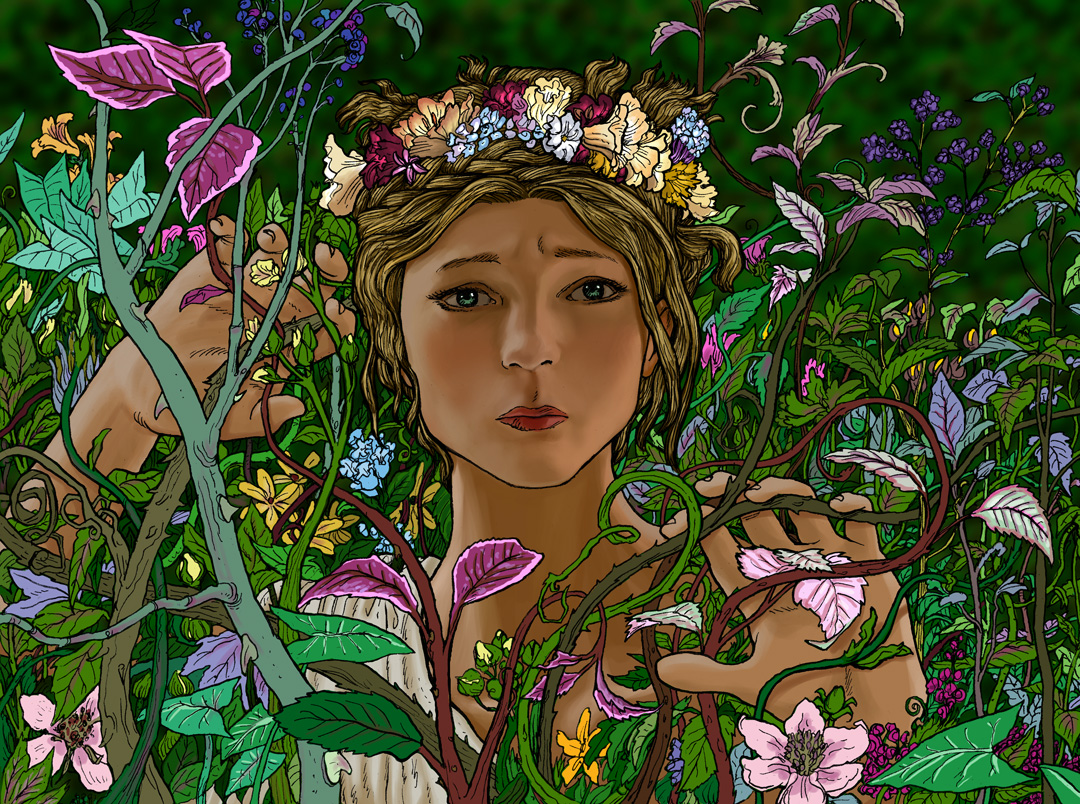
They spent the afternoon together, and Echo chattered away; her knowledge of the woods and all therein was extensive, her curiosity about matters royal always favored Juno’s views, and as the sun wheeled to the chariot house, they gathered the lilac, the yellow posy, blue periwinkle and daisy, and Echo wreathed them round, and crowned Juno, saying she was now a nymph, and had to stay in the forest where Echo could teach her all there was to know.

Juno laughed, and Echo laughed with her, not like her.

And so the afternoon went, until they came to a clearing, and sleeping by the base of a tree, was Jupiter.

Both women stopped in their tracks, and gazed upon the sleeping man, clothed only in a loincloth, his royal vestments left wherever the pool was that he’d indulged himself.

Juno turned to Echo, who in trying not to reveal anything, revealed her guilt.

Slowly, Juno took off the crown of flowers, and her arm flashed, and she caught the nymph across the cheek, knocking her to the ground in a spray of blood and blossoms, her dress now immodestly gathered about her as she scuttled along the ground as Juno bore down on her.

Then Juno stopped, remembering she was queen, and shuddered with unspent energy as she pointed at the nymph, her extended hand alight with power…

***********************

Echo closed her eyes, Time forgotten, reliving the horror of the day of Juno’s curse, unable to scream, or plead, or move, she lay like a newborn babe before a ravening wolf, and suddenly Juno shimmered, and stood still,  immobile as Gorgons’ men, yet not of stone.

Time stepped from the woods, and at first Echo was uncomprehending; then she began to realize what had taken place, and slowly, she got to her feet, and walked over to him.

He’d aged more, his rounded frame now thinning, his beard, neat and trimmed, salt and pepper, was now ragged, stained and unkempt.

His eyes, sharp and keen when he sculpted (for she’d looked deep into them as he cut her out), were now almost rheumy to the point where she wondered if he was blind.

“What happened to you?” she asked.

“This is my gift to you,” his voice rasped in her ears.

“You’re giving me back my voice?” Her eyes welled up in wonder.

“It is better to die than to never speak your own words,” said Time.

Echo was overwhelmed.

“What will happen to them?” her gaze took in Juno and Jupiter.

“She will strike him with the bolt that’s meant for you, and he will lose his ability to charm your sisters to his bed.”

Echo ran to him, embraced him, ironically now speechless with gratitude.

She looked into his eyes, and saw the light go out; he was truly blind now.

Death had his shroud; he didn’t bother to tell her he would not make it back to save himself.

He’d answered her question now: Time could be killed or saved, redeemed or spent.

She found that she had a choice to make, and with her heart quailing inside her, she made it.

© Alfred W. Smith, Jr.

2014

All rights reserved